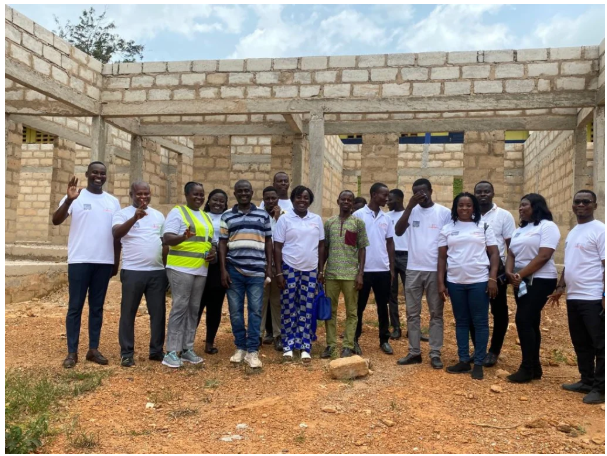
Sekondi-Takoradi in Ghana and Kaduna State in Nigeria joined the Infrastructure Transparency Initiative (CoST) through their respective OGP action plans to address longstanding challenges in infrastructure governance, including lack of accessible information, corruption risks, and citizen mistrust. In Sekondi-Takoradi, the Metropolitan Assembly developed an open data portal that publishes infrastructure project information using the Open Contracting for Infrastructure Data Standard (OC4IDS), enabling better stakeholder understanding and participation. This initiative expanded to include neighboring local governments, now hosting data on dozens of projects across sectors such as education, health, transport, water, and waste, alongside tools like an analytical dashboard and an electronic monitoring tool that support effective oversight. Community involvement was further strengthened through CoST District Citizens’ Monitoring Teams, which have contributed to practical improvements in infrastructure outcomes and responsiveness. In Kaduna, participation in the CoST-aligned OGP action plan has focused on improving disclosure of procurement information and implementing the Open Contracting Data Standard and OC4IDS to enhance transparency, reduce mismanagement, and rebuild trust among government, contractors, and civil society. The reforms are expected to improve the integrity and quality of infrastructure investments, increase stakeholder engagement with infrastructure data, and support more competitive markets and better public service delivery. The experiences of both cities illustrate how common data standards, information communication technologies, and multistakeholder collaboration can make infrastructure data more accessible and actionable, strengthening accountability and citizen oversight in infrastructure governance.