CoST is the leading global initiative improving transparency and accountability in public infrastructure, from disclosure to independent assurance.
CoST (Infrastructure Transparency Initiative) is the leading global initiative that works to implement transparency and accountability reform within the built environment space. The major guiding principle of CoST is to enhance disclosure, validation, interpretation and presentation of infrastructure data into much simpler language to empower stakeholders.
This is aimed at reducing mismanagement, inefficiency, corruption and the risks posed to the public from poor infrastructure investments. CoST achieves this through applying various approaches, from conducting independent studies on projects, analyzing disclosed project information, creating awareness through various platforms, and holding capacity building training for CSOs, the private sector, procuring entity officials, citizens and other stakeholders.
The initiative is built on a tripartite partnership between government, the private sector and civil society organizations, and on four core features: Disclosure, Assurance, Multi-Stakeholder Working and Social Accountability. Pivotal to these is increased access to infrastructure data, verification of disclosed data through assurance, and dissemination, engagement, advocacy for policy changes and citizen participation.
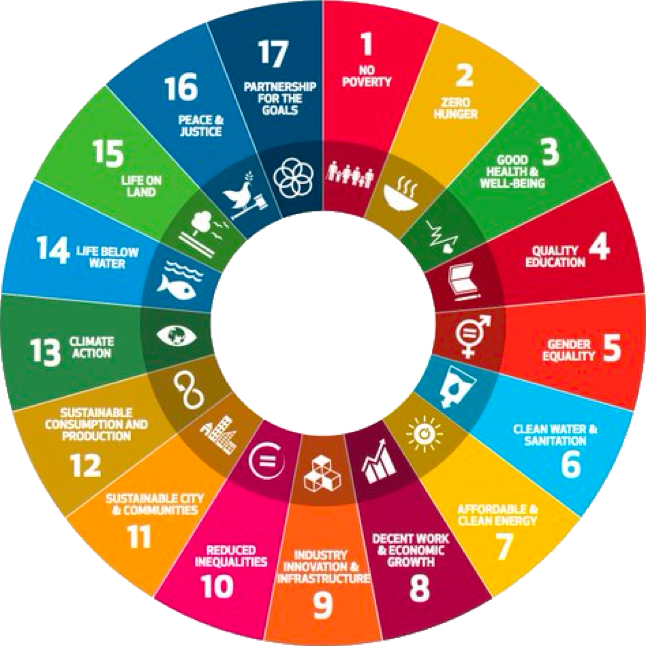
Infrastructure is a vital component of efforts to meet the most pressing global challenges, including the United Nations' Sustainable Development Goals (SDGs). This includes "building resilient infrastructure" (goal 9) and several other goals and targets related to cities and human settlements, where infrastructure is critical to the equitable and sustainable provision of energy, water and sanitation (goals 6 and 7).
Unless society can accelerate the delivery of such quality infrastructure and services, its ability to meet the SDGs, deal with the effects of climate change, improve gender equality, livelihoods and deliver inclusive economic growth will be seriously undermined.
The Covid-19 pandemic has magnified the importance of transparency, participation and accountability. Governments have responded to the chronic under-investment in health services by rapidly boosting public spending on critical equipment such as protective equipment, medicine and temporary health infrastructure, often using emergency procurement measures to accelerate delivery.
This has led to concerns that the principles of transparency, participation and accountability have been compromised in the pursuit of speeding up delivery. It risks becoming the norm, resulting in less scrutiny of public spending and increasing the potential for corruption, mismanagement and inefficiency.
Although the challenges are complex, global and defy easy solutions, CoST's principles of transparency, participation and accountability have taken on increased relevance and are critical to helping stakeholders address these challenges.

Partners such as the Open Government Partnership (OGP), Transparency International, the International Labour Organization, the World Bank, the United Nations Development Programme and the German Corporation for International Cooperation were critical to building relationships.
CoST's partnership with the Open Contracting Partnership (OCP) has been critical to the technical development of the programme with the development of the Open Contracting for Infrastructure Data Standard (OC4IDS), combining CoST's knowledge of the infrastructure sector with OCP's cutting-edge expertise in publishing open data.
In Africa, Ethiopia, Uganda, Tanzania, Malawi, Mozambique and Ghana (Sekondi-Takoradi Metropolitan Assembly) are the participating countries. Learn more about CoST in Africa.