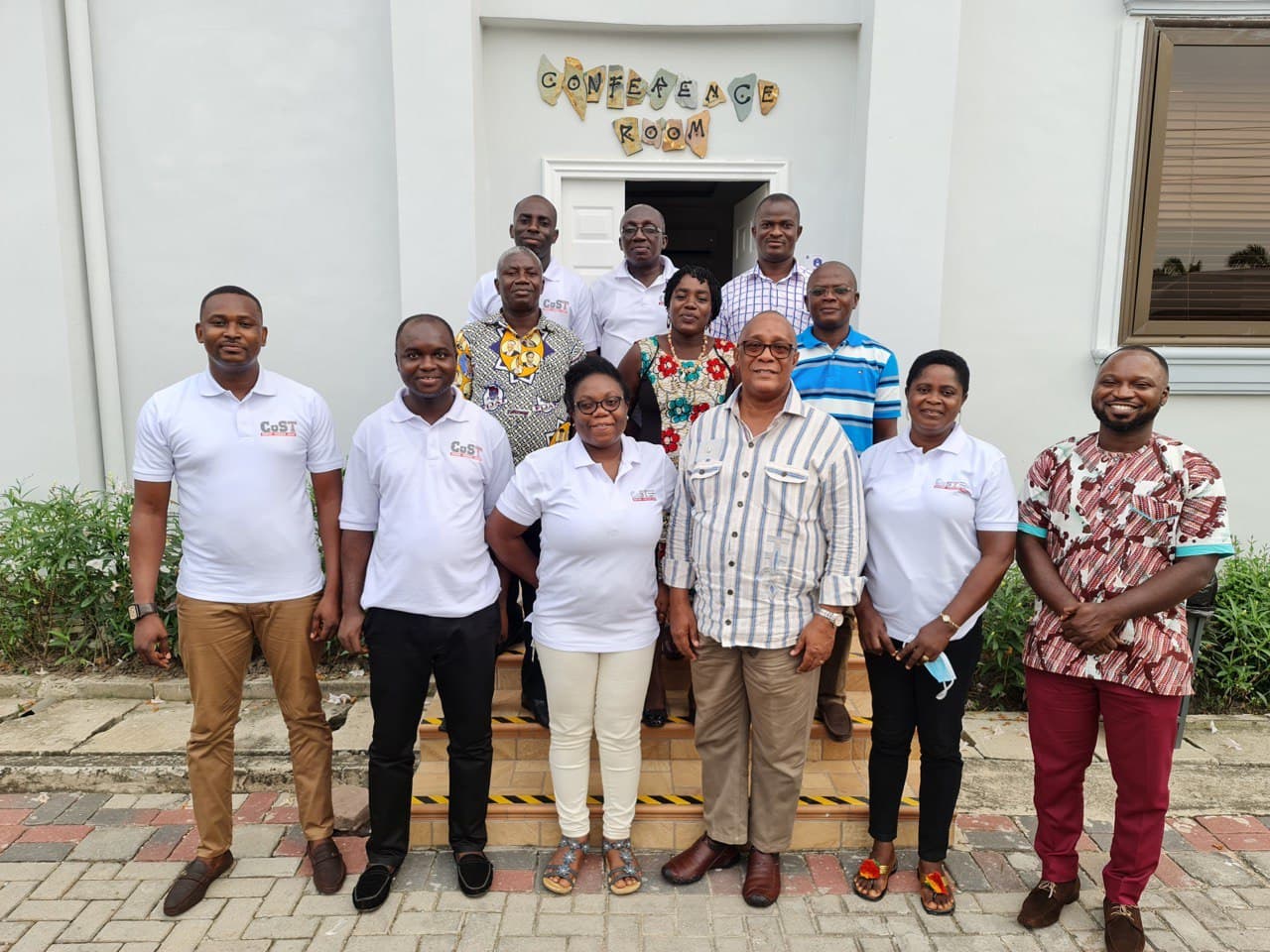
CoST Sekondi-Takoradi is championed by a 12-member neutral forum drawn from government, the private sector and civil society.
The MSG leads, plans and creates the civic space for dialogue between and among key stakeholders to achieve CoST's vision of quality infrastructure, stronger economies and better lives. By providing a neutral forum, it helps stakeholders pursue shared objectives to improve the value, efficiency and effectiveness of investment in public infrastructure through the implementation of CoST's core features and by institutionalizing its standards among Procuring Entities.
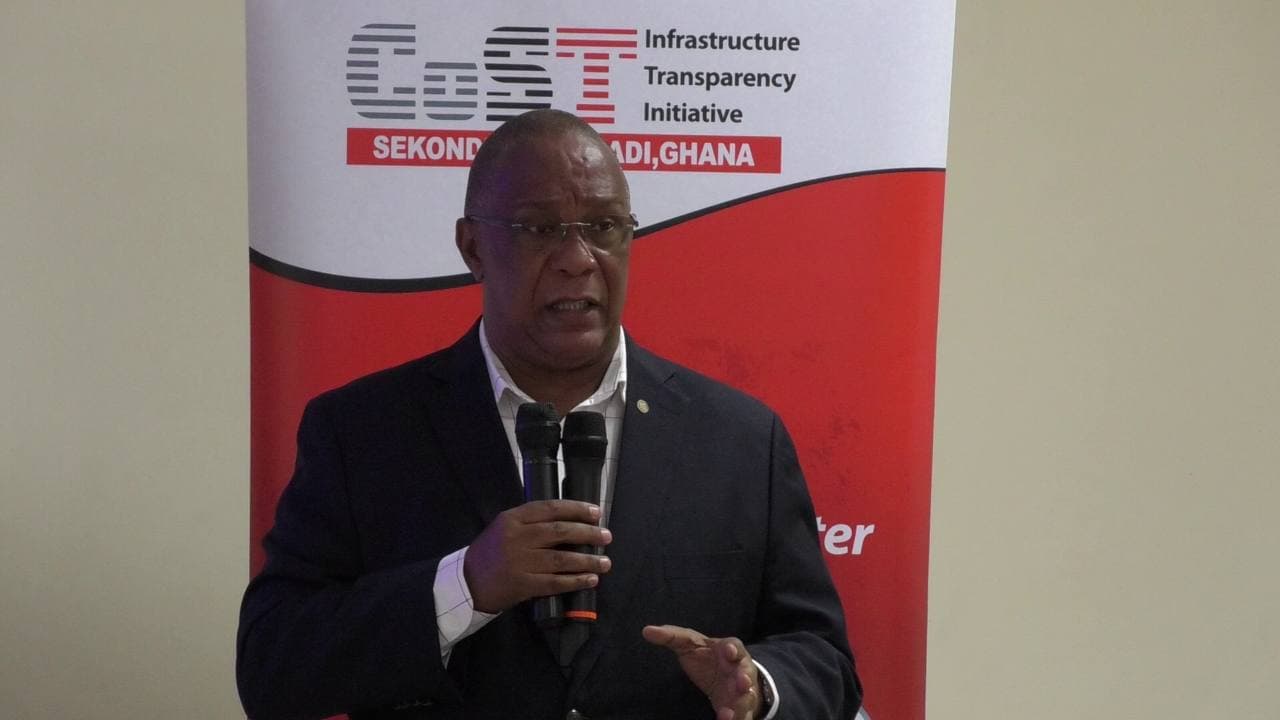
The MSG serves a 2-year mandate and is chaired by Architect Eugene Fredua Ofori-Atta.
Sekondi-Takoradi Metropolitan Assembly: the Presiding Member of the Assembly, Works Engineer, Statistics Officer and Procurement Officer.
Sekondi-Takoradi Chamber of Commerce and Industry, Adax Construction Limited and Architectural Spring Limited.
Ghana News Agency, STMA Citywide Settlement Upgrading Fund, Friends of the Nation and African Women International.
It has long been established that the infrastructure sector is the engine of growth of any economy. This is because almost every socio-economic activity requires some form of infrastructure facilities such as schools, hospitals, markets, roads and bridges among others to engender projected economic development.
Public investment in economic and social infrastructure ultimately leads to great benefit for the society in terms of direct, indirect and induced benefits. Among these benefits are improvements in economic opportunities such as increased employment, increased competitiveness, improved productivity, reduction in poverty and inequity and creation of additional opportunities for sustainable livelihoods.
According to the World Bank, in spite of this positive impact of infrastructure investments, Ghana's economy is still bedeviled with shortfalls in both economic and social infrastructure contributing to a $1.5bn infrastructure deficit.
Sekondi-Takoradi, just like many Ghanaian cities, faces many challenges in managing urbanization and is not able to meet the growing demand for infrastructure and services. These needs are not met through the subnational governments' meagre internally generated revenues or fiscal transfers from the central government, which in most cases do not take into account the pressures faced by growing urban centers.
Although investment in public infrastructure has the potential of ensuring upward social mobility of all citizens, the sector is widely known for its perception and association with corruption which has eroded citizens' trust in government. The manifestation of corruption in infrastructure delivery is demonstrated in procurement processes (kick-back taking, collusion, beneficial ownership, bid rigging), contract execution and contract administration (bribery and extortion).
Evidence abounds on how access to infrastructure information has a direct link to fighting corruption and its perception. Access to information is grounded in the recognition that information in the control of Procuring Entities (PEs) is a valuable public resource and that public access to such information promotes greater transparency and accountability and is essential to reducing the crisis of trust in government.
CoST Sekondi-Takoradi has the capacity to promote tools and standards to enable disclosure, validation, interpretation and use of infrastructure data to empower stakeholders to demand accountability in the delivery of publicly-funded infrastructure projects, working through a tripartite and neutral forum that fosters collaboration between government, the private sector and civil society to trudge along the path of ensuring better value for money on infrastructure projects for all stakeholders.
As we move into a very important and critical stage of achieving our vision of "better lives from better infrastructure" by launching our Strategic Plan (2020–2025), we are excited by the challenge ahead and optimistic of the transformational impact the plan would have. Positive strides in our young journey would not have been possible without our highly committed Secretariat and the support of our strategic partners, the Africa Regional Managers and International Secretariat, as well as the tremendous and selfless effort of the Multi-Stakeholder Group.